

In architecture and interior design, visualization is everything. Before construction begins, designers and clients must align on layout, materials, lighting, and overall aesthetics. This is where 3D rendering becomes a critical tool. Instead of relying on technical drawings or imagination, 3D visualization converts concepts into realistic, detailed visuals.
High-quality 3D architectural rendering allows stakeholders to see a space before it exists. Textures, finishes, lighting conditions, and spatial relationships are presented with clarity, helping bridge the gap between design intent and visual understanding.
What is 3D Rendering in Architecture?
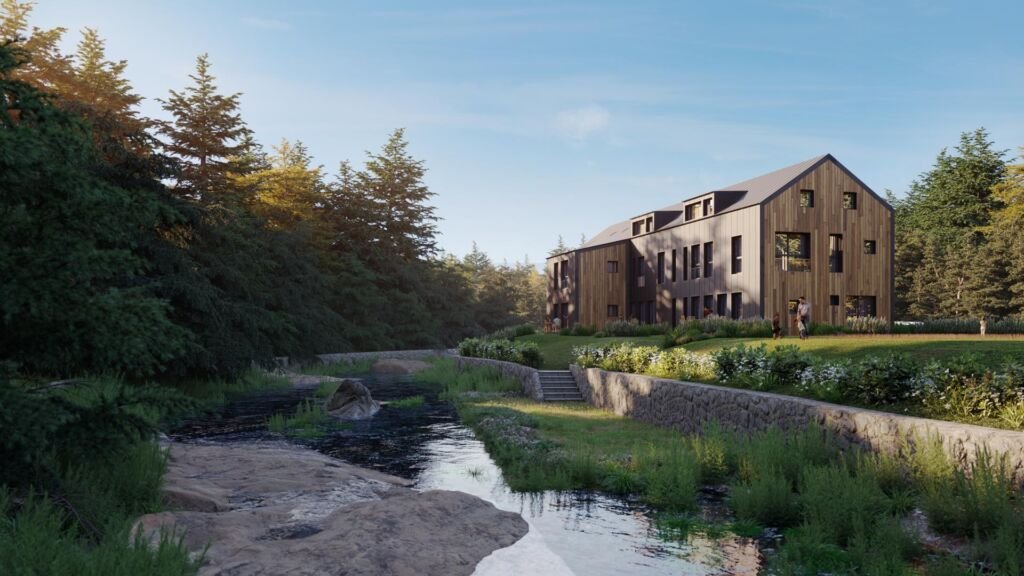
3D rendering is the process of creating photorealistic digital images from architectural or interior design models. These renders simulate real-world elements such as lighting, materials, shadows, reflections, and depth.
Unlike traditional plans or elevations, photorealistic 3D renders provide a lifelike representation of the final outcome. This makes it easier for clients, investors, and decision-makers to evaluate designs with confidence.
Why 3D Visualization Matters in Design Projects
Modern design projects demand precision, efficiency, and clear communication. 3D visualization services play a practical role far beyond aesthetics.
Realistic renders help identify design inconsistencies early, reducing costly revisions during construction. They improve collaboration between architects, designers, and clients by ensuring everyone works from the same visual reference.
For businesses, 3D renders also serve as powerful marketing assets. Real estate developers, hospitality brands, and interior designers use 3D architectural visualization to showcase projects long before completion.
From Concept to Photorealistic Reality
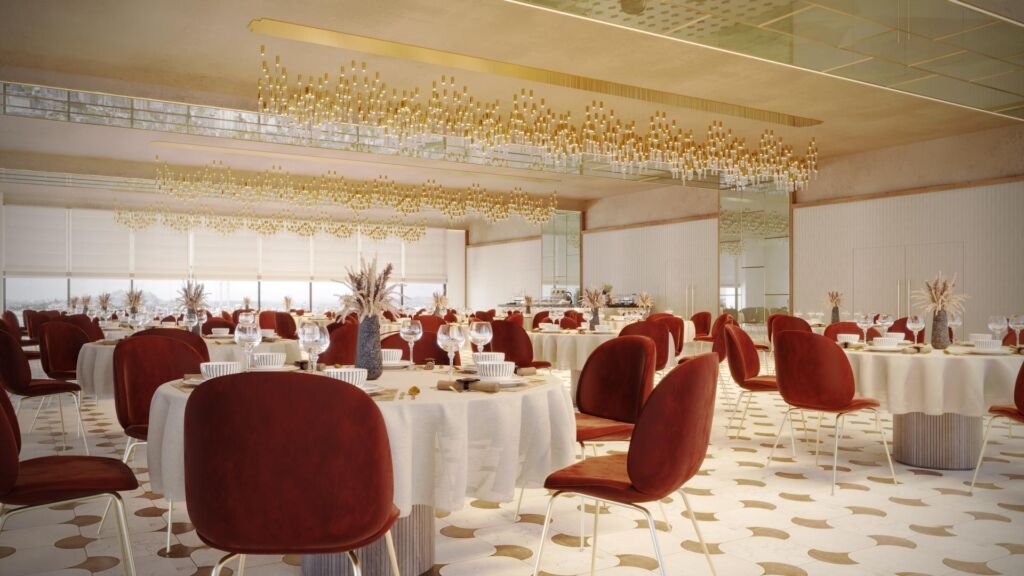
One of the biggest challenges in design is translating abstract ideas into something tangible. 3D interior rendering and 3D exterior rendering solve this problem by presenting designs as immersive visual experiences.
Materials can be tested, lighting scenarios can be explored, and layout adjustments can be made without physical limitations. This flexibility enables smarter design decisions and faster approvals.
The Long-Term Value of 3D Rendering
3D rendering is no longer just a presentation tool. It has become a core component of modern architectural workflows. It reduces uncertainty, improves decision-making, enhances marketing efforts, and strengthens client confidence.
As digital design continues to evolve, 3D rendering services will remain essential for communicating ideas with accuracy, realism, and impact.